What you Need to Know About Pool Maintenance

Maintaining a pool is essential not only for keeping the water clear and inviting but also for ensuring the health and safety of all swimmers. Pool maintenance involves understanding and balancing water chemistry, such as pH levels, alkalinity, and calcium hardness. An imbalance in these parameters can lead to problems such as green water, scale formation, or skin irritation.
Regular cleaning is a core component of effective pool maintenance. This typically involves skimming debris from the water surface, vacuuming the pool floor, and brushing the pool walls.
Keeping the surfaces clean prevents algae growth and maintains the aesthetic appeal of the pool.
Monitoring equipment is also vital to pool maintenance. This includes the pool’s filtration system, which removes impurities and circulates the water. Regularly checking and maintaining pool equipment ensures it functions efficiently, prolongs its lifespan, and reduces the risk of costly repairs.
The Importance of Regular Cleaning
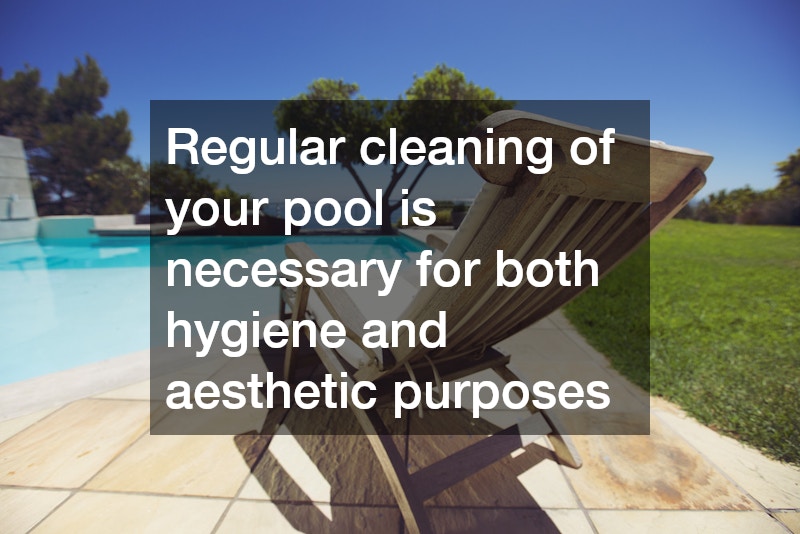
Regular cleaning of your pool is necessary for both hygiene and aesthetic purposes. Debris left in the water can decompose, leading to cloudy water and unpleasant odors. By maintaining a consistent cleaning schedule, pool owners can prevent these issues and ensure their pool remains inviting.
Skimming the surface daily and vacuuming the floor weekly can significantly reduce the accumulation of leaves, bugs, and other debris. Algae and bacteria thrive in neglected pools, so removing debris promptly is crucial. Keeping your pool clean also helps reduce the need for increased chemical use, which can save money over time.
Beyond visible debris, it’s important to clean the pool’s waterline often, as oils, suntan lotions, and dirt can accumulate here, creating a line that can be difficult to remove if ignored. Regular cleaning also includes checking and emptying skimmer baskets and pump baskets to ensure efficient water circulation. Consistent attention to these details will result in a pool that is not only visually pleasing but healthy to use.
Water Chemistry and Its Role in Pool Maintenance
Water chemistry is a pivotal aspect of pool maintenance that directly affects swimmer comfort and equipment longevity. Properly balanced pool water prevents algae growth and corrosion of pool surfaces and equipment. Regular testing and adjusting of water pH, alkalinity, and calcium hardness are crucial.
The pH level, ideally between 7.2 and 7.6, affects the comfort of swimmers’ skin and eyes and the efficiency of sanitizers like chlorine. When the pH level is too low, water becomes acidic and can corrode pool equipment and irritate swimmers. Conversely, high pH levels can cause scaling and reduce the efficacy of chlorine.
Alkalinity acts as a buffer for pH, preventing it from fluctuating widely. Ideal alkalinity levels range from 80 to 120 ppm. Maintaining correct alkalinity helps keep pH stable, reducing the risk of irritated skin and eyes or damaged equipment. Proper calcium hardness levels, between 200 to 400 ppm, protect against scale formation and corrosion, ensuring the pool stays in good condition.
Maintaining the Pool Filtration System
The pool filtration system is the backbone of pool maintenance. It works to keep your pool clean and swimmable by removing particles and contaminants. Regular maintenance of the filtration system is crucial to ensure that it operates correctly and efficiently.
A common type of pool filtration system is the sand filter, which uses sand to trap dirt and debris. These need to be backwashed periodically to remove accumulated dirt. Another option is a cartridge filter, which requires less water to clean and should be hosed down every few weeks, ensuring there is no build-up that can impede filtration.
Proper care of your filtration system extends its life and maintains water clarity. Routinely inspecting the system for leaks or unusual noises is integral to preventing small issues from becoming significant problems. Keeping the filtration system in top condition reduces the strain on the equipment and plays a vital role in overall pool maintenance.
Seasonal Pool Maintenance Considerations
Each season brings different challenges and demands with pool maintenance. During the swimming season, regular maintenance is more intensive due to higher usage. This includes more frequent chemical testing and additions, along with daily cleaning routines to keep the pool in optimal condition.
As temperatures drop and swimming comes to an end, preparing your pool for winter is crucial. Proper winterization involves balancing water chemistry, lowering the water level, and covering the pool to protect it from debris and freeze damage. These steps prevent significant damage and make it easier to reopen the pool when warmer months return.
Opening the pool for the season involves removing the cover, re-assembling disconnected equipment, and rebalancing the water chemistry. Thoroughly cleaning and shocking the pool to remove bacteria accumulated during the offseason ensures a safe swimming environment. Adapting your maintenance routine to seasonal changes helps maintain your pool in peak condition year-round.