Turning Construction Leftovers Into Functional Backyard Features

Home renovation projects almost always leave something behind. A few boards leaning against the garage wall, spare bricks stacked near the driveway, extra roofing panels tucked beside the shed—these leftovers tend to linger long after the main project ends. Many homeowners assume these materials are useless clutter, but with a little imagination, they can become the foundation of practical and attractive backyard features.
Repurposing leftover construction materials is not only economical, but it’s also environmentally responsible. Instead of sending usable materials to landfills, homeowners can transform them into raised garden beds, seating areas, storage solutions, and decorative elements that add character to outdoor spaces.
What makes this approach especially appealing is that every leftover piece has potential. A small pile of lumber might turn into a garden bench. Extra metal sheets might become modern landscape edging. Even tree debris from yard work can become pathways, borders, or rustic seating.
The key is learning to see materials differently—not as scraps, but as building blocks for new ideas. With thoughtful planning and a willingness to experiment, construction leftovers can help turn an ordinary backyard into a personalized outdoor retreat.
Start by Identifying and Sorting Reusable Materials From Your Project

Before beginning any backyard project with leftover materials, it helps to step back and assess what you actually have. After construction work, the yard or garage can easily become a chaotic mix of wood, metal, packaging, and debris. Carefully sorting through everything is the first step toward turning those leftovers into useful features.
Start by separating materials into broad categories. Lumber should be stacked together, metal pieces gathered in another pile, and bricks or stones grouped separately. This simple organization makes it much easier to visualize possible projects.
As you sort, examine each item carefully. Look for:
- Warped or rotting wood
- Severely rusted metal
- Cracked stone or broken masonry
- Fasteners that are bent or stripped
Some pieces will clearly still be usable, while others may not be safe to work with. Items that are too damaged should be removed from the project pile early. Many homeowners schedule a roll off dumpster service after a renovation, specifically to remove debris that cannot realistically be reused. Clearing those materials away creates space and mental clarity for planning new backyard improvements.
Another helpful strategy is to set aside a “potential projects” area. In this space, place the materials that seem most promising—long boards, flat metal sheets, intact bricks, or leftover pavers. Once they’re grouped together, ideas begin to form naturally.
You may notice that several boards could easily form a raised planter box, or that leftover concrete blocks might become the base for an outdoor bench. Sorting materials transforms a random pile of construction leftovers into a library of possibilities.
Turn Scrap Lumber Into Garden Beds and Outdoor Furniture
Few materials offer as much flexibility as leftover wood. Boards, beams, and cutoffs from construction projects can be reshaped into countless backyard improvements, especially when paired with a bit of sanding and sealing.
One of the simplest and most useful projects is a raised garden bed. Raised beds improve soil drainage, make planting easier on your back, and create visual structure in a garden. Even imperfect lumber can often be used successfully for this purpose.
A basic raised bed can be built with just a few steps:
- Cut boards to equal lengths for the sides.
- Attach them at the corners using screws or metal brackets.
- Line the inside with landscape fabric.
- Fill with soil and compost.
If you happen to have recycled wood pallets available, they can open up even more possibilities. Pallets are particularly useful for vertical gardening. Standing a pallet upright against a fence and attaching planter boxes between the slats creates an instant herb wall that saves space while adding visual interest.
Pallets also work well for DIY outdoor furniture. Two pallets stacked together can form the base of a sturdy bench or coffee table. Add outdoor cushions, a coat of paint, or weatherproof sealant, and the finished piece looks surprisingly polished.
For longer-lasting furniture, consider sanding rough edges and sealing the wood with outdoor-grade finishes. This step protects against moisture and extends the life of the structure.
Over time, many homeowners discover that leftover lumber actually leads to some of the most charming features in their yard—features that feel handcrafted rather than store-bought.
Repurpose Metal and Scrap Steel Into Durable Outdoor Features
Metal scraps often appear less appealing than wood leftovers, but they can actually be among the most durable materials available for backyard projects. Steel pipes, sheet metal, and leftover brackets can be transformed into long-lasting landscape features that resist weather and wear.
One surprisingly effective use for metal scraps is landscape edging. Thin steel strips can create clean, modern borders between lawn and garden beds. Unlike plastic edging, metal borders stay firmly in place and develop a subtle patina over time that blends naturally with outdoor spaces.
Another idea involves creating a custom fire pit ring. Short steel panels can be bolted together in a circular shape, forming a sturdy frame for a backyard fire pit. Fill the interior with stone or fire bricks, and you have a functional gathering spot for cool evenings outdoors.
Even small metal pieces can be useful. Scrap brackets might become plant supports. Steel rods can be welded into trellises for climbing plants like tomatoes or beans.
When pieces are too damaged or awkwardly shaped to reuse, responsible disposal is still possible. Many communities offer steel recycling centers where scrap metal can be processed and repurposed into new products. Recycling metal reduces waste and prevents valuable materials from sitting unused in landfills.
By combining creativity with durability, leftover metal pieces can add both strength and visual contrast to backyard landscapes.
Convert Leftover Containers Into Practical Backyard Storage
Outdoor projects often generate extra bins, crates, or unused containers. Instead of storing them away or discarding them, these items can become highly practical backyard storage solutions.
A storage container can easily be converted into an organized gardening station. For example, a large plastic bin with a hinged lid can hold hand tools, gloves, fertilizer bags, and watering attachments. Keeping everything in one place saves time and reduces clutter in sheds or garages.
Some homeowners take this idea a step further by building a potting station around a sturdy container. The container acts as the base, while a wooden tabletop provides a work surface. Hooks attached to the sides hold tools, and small shelves store seed packets.
Another creative use involves dividing containers into sections for different materials. Soil, mulch, compost, and gravel can each have their own compartment, allowing quick access during landscaping work.
Mobility also adds convenience. Adding wheels to the bottom of containers turns them into portable supply carts that can move around the yard as projects shift from one area to another.
These small organizational upgrades may not seem dramatic at first, but they dramatically improve how efficiently outdoor work gets done.
Build Backyard Shade Structures Using Salvaged Roofing Materials
Roofing leftovers are surprisingly versatile for outdoor structures. Panels, shingles, and flashing materials can often be repurposed to create shade, shelter, or protective coverings in the backyard.
Corrugated metal panels are especially useful. When mounted on a simple wooden frame, they can form the roof of a small pergola or garden shelter. The result is a shaded sitting area that protects against the sun while still allowing airflow.
Some homeowners even build compact tool shelters using leftover roofing materials. A small structure tucked near the garden can keep equipment dry and organized without requiring a full shed.
If you’re unsure about the condition of the leftover materials, professionals may be able to help. Roofers can sometimes evaluate whether panels or shingles are still structurally sound for secondary uses.
Minor repairs can also extend the life of reused materials. Techniques commonly used in roof repair—such as sealing seams or reinforcing weak points—can make salvaged roofing panels suitable for backyard structures.
These small outdoor roofs often become focal points in a yard. A simple pergola covered with reclaimed roofing panels might host an outdoor dining table, a reading bench, or even a hammock. The result feels both functional and uniquely personal.
Transform Tree Removal Debris Into Rustic Landscape Features
Yard maintenance projects sometimes generate large amounts of natural material, especially after removing aging or damaged trees. While many people view these leftovers as waste, they can actually become some of the most beautiful features in a backyard.
Tree trunks can be cut into thick slices and used as natural stepping stones along garden paths. Sanding the surface smooth and sealing the wood helps them last longer outdoors.
Logs also make excellent rustic seating. A large trunk section placed near a fire pit can become a sturdy stool. Several logs arranged in a semicircle create a casual gathering area that blends perfectly with the surrounding landscape.
Branches offer even more creative options. When arranged vertically and tied together, they can form charming trellises for climbing plants. Smaller branches can even be woven into decorative garden fences.
Homeowners often forget that professionals who handle tree removal may leave behind useful materials. Asking tree removers about keeping portions of the wood can provide free resources for landscaping projects.
Likewise, a local tree company may sometimes offer wood chips from trimming work. These chips are excellent for garden mulch, helping retain soil moisture while suppressing weeds.
In many cases, these natural elements end up becoming the most organic-looking features in the yard.
Use Construction Waste Management to Keep Backyard Projects Organized
Large backyard projects can quickly become messy if leftover materials pile up in every corner. Managing waste carefully helps keep the work area safe and allows reusable materials to remain accessible.
One of the most effective strategies is scheduling debris removal early in the process. A roll off dumpster service allows homeowners to discard unusable materials as they go, preventing clutter from slowing down progress.
Without proper cleanup, scrap wood, broken concrete, and packaging materials can create tripping hazards or block access to work areas. Removing these obstacles early keeps the backyard functional even during large projects.
Another helpful approach involves separating materials into three categories:
- items ready for reuse
- materials that require repair or modification
- debris that should be discarded
Maintaining these categories makes the project feel more manageable. It also prevents useful materials from accidentally being thrown away with construction waste.
As projects grow larger, good organization becomes just as important as creativity.
Add Water Features and Irrigation Using Reclaimed Materials
Water features add movement and calm to outdoor spaces, and they can often be built using leftover construction materials. Stones, pipes, and containers can all contribute to simple backyard fountains or small decorative ponds.
A common DIY project involves stacking stones to create a cascading fountain. A small pump hidden beneath the rocks circulates water upward, allowing it to flow back down through the layers. The sound of trickling water adds a relaxing element to gardens or patios.
Leftover plumbing materials also make irrigation systems easier to install. Flexible tubing, valves, and connectors can help create a drip watering system that keeps plants hydrated while reducing water waste.
Some homeowners take water quality into consideration as well. Systems that use reverse osmosis can help remove impurities from water sources when filling certain garden features or specialized irrigation setups.
While not every backyard project requires advanced filtration, understanding how water moves through the landscape can help maintain cleaner, healthier garden environments.
Design Multi-Use Backyard Spaces With Reclaimed Materials
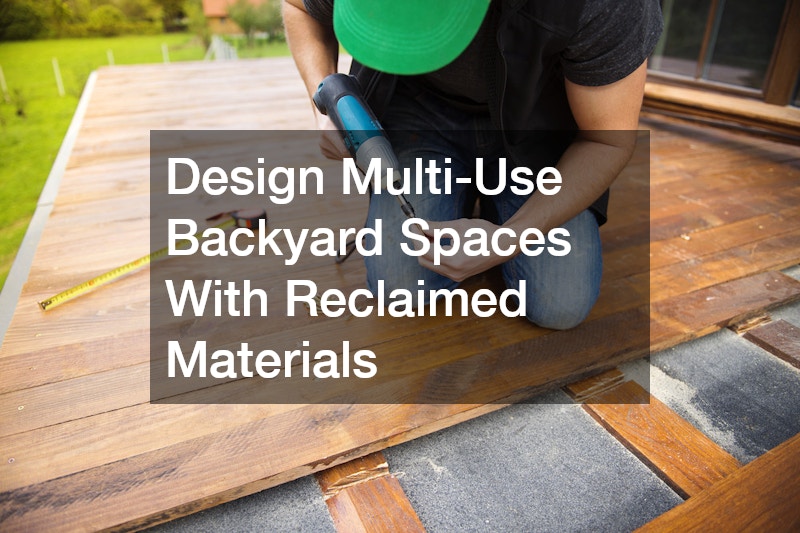
As backyard projects expand, homeowners often realize that reclaimed materials can help shape entire outdoor living areas rather than just individual features.
One popular approach involves creating pallet seating areas. Recycled wood pallets arranged into sectional seating can define a lounge space where friends gather for conversation or evening drinks.
Add a pallet coffee table, outdoor cushions, and string lighting, and the space quickly becomes an inviting outdoor living room.
Reclaimed materials also help define different zones in the yard. A border made from leftover bricks might separate the garden from the lawn. A wood pathway might guide visitors from the patio to a fire pit area.
When these elements are combined thoughtfully, the backyard begins to feel like a series of connected spaces rather than one open field.
The beauty of using reclaimed materials is that the design evolves naturally. Instead of buying matching furniture sets, homeowners build features gradually as new materials become available.
The result is a backyard that feels authentic, creative, and uniquely tailored to its surroundings.
Work With Local Contractors to Source Additional Reusable Materials
Once homeowners start building projects with leftover materials, they often discover that new opportunities appear through local connections. Contractors frequently finish jobs with extra supplies that are no longer needed.
Establishing friendly relationships with professionals can lead to unexpected resources. Roofing contractors, for example, may occasionally have leftover panels or flashing materials that are still usable for small structures.
Construction companies also produce scrap metal that may still have value for backyard projects. Visiting facilities that handle steel recycling sometimes reveals reclaimed materials available for purchase or reuse.
Salvage yards and building reuse centers are another excellent source of supplies. These locations collect materials from demolition sites and sell them at discounted prices. Doors, windows, beams, and hardware often find second lives in creative outdoor projects.
Over time, many homeowners discover that these partnerships expand their project possibilities far beyond what leftover materials alone could provide.
Final Reflections on Building a Backyard With Purpose

Transforming construction leftovers into backyard features is about more than saving money. It encourages a new mindset—one that values creativity, sustainability, and thoughtful design.
Instead of seeing discarded materials as clutter, homeowners begin to see potential everywhere. A pile of boards becomes a garden bed. Scrap metal becomes landscape edging. Even natural debris from yard work becomes seating, pathways, or mulch.
The process is rarely perfectly planned. Often, the best ideas emerge while experimenting with materials already on hand. What starts as a small DIY project can gradually reshape the entire outdoor space.
In the end, these handmade features often feel more meaningful than anything purchased from a store. They carry the story of the home itself—pieces of past projects transformed into something new, useful, and lasting.
And that transformation is what turns a backyard into a truly personal space.